
What Not to Fix When Selling a House (And What to Fix)
Putting your house on the market prompts you to see it through a new lens—suddenly, every minor imperfection seems like a major deal-breaker. The temptation to fix everything can be overwhelming, leading to a long and expensive to-do list. But here’s the secret that seasoned real estate professionals know: buyers expect a home to be lived-in, not perfect. They are looking at the big picture—the layout, the location, and the overall condition—not the tiny scuff mark behind the door. Focusing on the wrong things wastes precious time and money. To maximize your profit and ensure a smooth sale, you need to differentiate between essential repairs and cosmetic flaws. This guide is designed to give you that clarity, helping you understand what not to fix when selling a house.
Key Takeaways
Focus on Return, Not Renovation: Spend your money on essential repairs that address safety and structural issues, as these are deal-breakers for buyers. Avoid costly, taste-specific remodels like kitchens and baths, which rarely pay for themselves at resale.
Fix What Scares Buyers, Forget the Small Stuff: Tackle major issues like leaks, mold, or faulty systems that will come up during an inspection. Don't waste your budget on minor cosmetic flaws like scuffs or dated fixtures, as most buyers overlook these or plan to update them themselves.
Use Strategy When Your Budget is Tight: If you can't afford major repairs, focus on high-impact, low-cost actions like deep cleaning and professional staging. You can also price your home to reflect its condition or offer seller credits to give buyers the flexibility to make their own updates.
Think Twice Before Starting These Major Renovations
When you decide to put your house on the market, your first instinct might be to create a massive to-do list of every improvement you’ve ever dreamed of. It’s easy to think that a brand-new kitchen or a spa-like bathroom will guarantee a top-dollar offer. But before you call a contractor and drain your savings, let’s talk about return on investment, or ROI. Not all renovations are created equal, and some of the biggest, most expensive projects often provide the lowest financial return when you sell.
The goal is to make your home appeal to the widest range of buyers, not to build your perfect forever home—you’re moving, after all! Buyers often have their own specific tastes and may even prefer to put their own stamp on a new place. Pouring tens of thousands of dollars into a major overhaul that the new owner might change anyway is rarely a smart financial move. Instead, the key is to focus on strategic, high-impact updates that make your home feel clean, maintained, and move-in ready. For expert guidance on which updates matter most in the Metro Detroit market, it’s always best to consult with your real estate agent.
Full Kitchen Remodels
We all know that kitchens sell houses, but a full-scale demolition and remodel is one of the most expensive projects you can undertake. While it might feel like a worthy investment, a major kitchen overhaul rarely pays for itself at resale. Your idea of a dream kitchen—from the cabinet style to the countertop material—can be highly personal. A buyer might walk in and wish you’d chosen quartz instead of granite, or white cabinets instead of gray, making your huge investment a moot point for them.
Instead of gutting the space, focus on smaller, cosmetic fixes that create a fresh, updated feel. A new coat of paint on the walls or cabinets can work wonders. Swapping out dated hardware for modern pulls and knobs is a quick and affordable update. Consider installing a new faucet or a stylish light fixture to brighten the room. These minor changes can make the kitchen feel clean and appealing without the hefty price tag.
Bathroom Overhauls
Much like kitchens, a complete bathroom overhaul is a costly project with a surprisingly low return on investment. Tearing out tile, moving plumbing, and installing a high-end vanity can set you back thousands, and you’re unlikely to see all that money back in the final sale price. An outdated but perfectly functional bathroom is often seen by buyers as a blank canvas—an opportunity for them to create a space that fits their own style down the road.
Rather than a full renovation, concentrate on making the existing bathroom sparkle. A professional deep clean is non-negotiable. You can have an old tub or dated tile professionally re-glazed to look brand new for a fraction of the replacement cost. Replacing a dated vanity, mirror, or light fixture can also have a huge impact. Simple fixes like fresh caulk around the tub and a new, clean toilet seat make the space feel well-maintained and ready for its new owners.
Window Replacements
New windows are a fantastic upgrade for energy efficiency and comfort, but they are also incredibly expensive. Unless your windows are broken, rotted, or have failed seals (that foggy look between the panes), replacing them right before you sell is usually not a wise investment. This is a high-cost improvement that many buyers won’t factor into their offer, as they often expect windows to simply be in working order.
So, what should you do instead? First, make sure every window opens, closes, and locks properly. If a specific window has a cracked pane or a serious issue, it’s worth repairing or replacing that single unit. For the rest, a thorough, professional cleaning inside and out can make a world of difference. Clean, sparkling windows let in more natural light, make rooms feel brighter and bigger, and show that you’ve taken good care of the home.
Adding Rooms or Extensions
Adding a new room, finishing a basement, or building an extension are massive undertakings that require significant time, money, and permits. These projects almost never make financial sense when you’re about to sell your home. The construction process can be disruptive, delay your listing by months, and there’s no guarantee you’ll recoup the cost. Buyers might not value the extra space in the same way you do, or they may have different plans for it.
Instead of trying to add square footage, focus on maximizing the space you already have. The best approach is to declutter ruthlessly and stage each room to highlight its purpose and potential. A well-staged home can make rooms feel larger and more functional than they are. By clearing out personal items and arranging furniture strategically, you allow buyers to envision themselves living in the space—a far more powerful selling tool than a dusty, half-finished construction project.
Don't Sweat the Small Stuff: Fixes Buyers Overlook
When you decide to sell your home, it’s easy to suddenly see every tiny imperfection you’ve ignored for years. That scuff mark in the hallway, the slightly dated kitchen tile, the squeaky bedroom door—they all seem to scream for attention. But before you spend your weekends and budget on a mountain of minor repairs, take a deep breath. Most buyers are looking at the big picture: the layout, the location, the overall condition, and whether they can envision their life there. They expect a lived-in home, not a flawless model showroom.
While a clean and tidy space is non-negotiable, many small cosmetic issues are things potential buyers either won’t notice or aren’t concerned about. Focusing on the wrong things can waste time and money that could be better spent on updates that truly matter. Knowing what to fix and what to forget is key, and getting some expert guidance can save you a lot of stress. Here’s a look at the minor fixes you can usually cross off your to-do list.
Wall Scuffs and Small Dings
You see the ding on the dining room wall from where a chair bumped it one too many times, but a buyer probably won’t. Small cosmetic flaws like scuffs, nail holes from picture frames, and minor dings are normal signs of life. As long as the rest of your home is clean and well-maintained, buyers tend to look past these tiny imperfections. They know a bit of spackle and a dab of paint are easy fixes they can handle after moving in. Instead of painstakingly patching every single mark, focus your energy on giving your walls a good wipe-down to remove dirt and grime.
Outdated Paint Colors
That deep red accent wall in the living room might have been your pride and joy five years ago, but now you’re worried it’s too bold for buyers. While neutral colors are always a safe bet, you don’t necessarily need to repaint your entire house. Buyers often have their own color preferences and fully expect to repaint a few rooms to match their personal style. If your paint is in good condition—not peeling, chipped, or dirty—it’s often better to leave it. A buyer might prefer to get the house for a little less and make their own cosmetic updates after closing.
Single Cracked Tiles
A single cracked tile in the kitchen backsplash or on the bathroom floor is not a deal-breaker. Buyers are assessing the overall condition of the room, not inspecting every square inch for tiny flaws. Unless the crack is a safety hazard or part of a larger problem, like widespread water damage, it’s not worth the cost and effort of replacing it. Pointing out a single flawed tile can sometimes draw more attention to it than just leaving it alone. An experienced agent can help you determine if it’s something that needs to be addressed before you list your home for sale.
Minor Floor Scratches
Hardwood floors are a huge selling point, but they’re also meant to be lived on. Minor scratches and scuffs from furniture or daily foot traffic are expected signs of wear and tear. You don’t need to invest in a full refinishing job for a few surface-level marks. A thorough cleaning and a good polish can often minimize their appearance and make the floors shine. Buyers are more concerned with major damage like deep gouges, warped boards, or significant water stains, which could signal bigger underlying issues. Focus on presenting clean, well-cared-for floors, not perfect ones.
Sticky Doors and Creaky Hinges
Here’s where the advice gets a little nuanced. While a buyer is unlikely to walk away from a deal because of a squeaky hinge, these small annoyances can collectively give the impression that a home isn't well-maintained. Unlike repainting a room, fixing a sticky door or lubricating a hinge is a quick, inexpensive task that makes a surprisingly big difference. These little fixes contribute to a home that feels solid and cared for. Taking an hour to address these minor irritations shows buyers that you’ve paid attention to the details, which can build their confidence in the overall condition of your property.
When to Replace Appliances and Fixtures (and When to Leave Them)
Deciding what to upgrade before listing your home can feel like a guessing game. You want to impress buyers, but you don't want to spend a fortune on changes they might not even like. When it comes to appliances and fixtures, the key is to think "functional and clean," not necessarily "brand new and trendy." Buyers often have very specific tastes, and they may have already budgeted for new items that fit their personal style. It's a common mistake to assume your idea of an upgrade will match theirs.
Your goal is to present a well-maintained, move-in-ready home, not a custom-renovated one. A buyer might see your expensive, top-of-the-line faucet as something they'll just replace anyway. Focusing on repairs and cleanliness over costly cosmetic upgrades is almost always the smarter financial move. Before you start swapping out functional items, let's break down what's worth the effort and what you can confidently leave as-is for the next owner to personalize. This approach saves you money and gives buyers a blank canvas to make the home their own.
Functional Older Appliances
If your dishwasher, stove, and refrigerator are from a different decade but still work reliably, you can probably leave them alone. Many sellers worry that older appliances will turn buyers off, but a clean, functional set is perfectly acceptable. Buyers might prefer to choose their own appliances to match their style, or they may even be bringing their own from their previous home. Spending thousands on a new stainless steel package might not add a single dollar to your final sale price. Instead of replacing them, consider offering a home warranty or a seller credit that buyers can put toward new appliances if they choose.
Outdated Light Fixtures and Hardware
That shiny brass chandelier in the dining room or the oak cabinet pulls in the kitchen might feel dated to you, but they are some of the easiest and most affordable things for a new owner to change. Most buyers view light fixtures, faucets, and cabinet hardware as simple cosmetic updates they can tackle themselves. It’s a way for them to put their own stamp on the home without a major renovation. As long as the fixtures are clean and in good working order, there’s no need to spend your weekend replacing them. A buyer’s agent will likely frame these as an easy opportunity for personalization when showing your home.
Working HVAC Systems
When it comes to big-ticket items like your furnace, air conditioner, or water heater, the rule is simple: if it isn't broken, don't replace it. These systems are incredibly expensive, and you will not see a dollar-for-dollar return on your investment. As long as your HVAC system is functioning safely and properly maintaining the home's temperature, it's doing its job. A home inspector will assess its condition, and if it's been regularly serviced, its age is often not a deal-breaker. If you're unsure about your system's condition, it's always best to get expert guidance before making a costly decision.
Plumbing Fixtures in Good Condition
Much like lighting, plumbing fixtures are a matter of personal taste. A perfectly functional chrome faucet in the bathroom doesn't need to be swapped out for a trendy matte black one. Buyers are more concerned with function than fashion here. They’ll check for good water pressure, quick-draining sinks, and—most importantly—no leaks. A dripping faucet is a definite red flag that needs fixing, but a faucet that’s simply not the latest style is a non-issue. Focus your energy on making sure the sinks, tubs, and tile are sparkling clean and the caulk is fresh. That will make a much bigger impression than a new showerhead.
Smart Curb Appeal: Where to Spend and Where to Save
First impressions are powerful, and your home’s exterior is the first thing potential buyers will see. But creating great curb appeal doesn’t mean you have to spend a fortune on a complete outdoor makeover. The key is to be strategic, focusing your time and money on the updates that deliver the most impact. When you’re getting ready to sell your home, you want to attract buyers, not sink cash into projects that you won’t see a return on. It’s all about making smart choices that highlight your home’s best features without breaking the bank. Let’s walk through where to spend and, just as importantly, where to save.
Basic Maintenance vs. Major Landscaping
Before you call a landscape architect, take a step back and focus on the basics. Buyers respond to a home that looks clean, tidy, and well-maintained. You can achieve this with a little elbow grease, not a huge budget. Start by mowing the lawn, pulling weeds, and trimming overgrown shrubs. A fresh layer of dark mulch in your garden beds is one of the most cost-effective ways to make your landscaping look crisp and polished. Remember, the goal is to present a neat and inviting exterior. Buyers often care more about the overall feeling of a home than a professionally designed garden, so save the money you would have spent on a major landscaping project.
Simple Exterior Fixes That Matter
Small details can make a huge difference in how buyers perceive your property. A weekend spent on a few simple fixes can instantly freshen up your home’s exterior. One of the most effective updates is a good pressure wash. Cleaning the dirt and grime off your siding, porch, and walkways can make the whole house look brighter and newer. Consider painting your front door a fresh, welcoming color and updating the hardware if it’s looking dated. Other easy wins include replacing old house numbers, ensuring all outdoor light fixtures are working, and cleaning the windows until they sparkle. These small tasks show buyers you’ve taken good care of the house.
Expensive Outdoor Projects to Avoid
It’s easy to get carried away with outdoor improvements, but big-ticket projects rarely provide a dollar-for-dollar return on investment. Hold off on installing a new deck, building an elaborate stone patio, or repaving the driveway. While these are great features, they are costly, and your personal taste might not align with a potential buyer’s. A buyer might prefer a different material for the patio or have a different vision for the backyard entirely. Instead of undertaking a massive project, ensure your existing structures are in good repair. A clean, freshly stained deck is much more appealing than a brand-new one that doesn’t fit a buyer’s budget or style.
Luxury Upgrades That Buyers Won't Pay For
It’s tempting to believe that every dollar you put into your home will come back to you at the closing table, especially when it comes to high-end features. While you may have loved your backyard sauna or professional-grade kitchen, these luxury upgrades are often highly personal. What one buyer sees as a must-have, another might view as a costly renovation project waiting to happen. When preparing to sell your home, the goal is to appeal to the widest possible audience, and niche features can sometimes do the opposite by narrowing your pool of interested buyers.
Remember, the return on investment for luxury items is rarely dollar-for-dollar. Buyers are factoring in their own tastes and future plans, and they’re often unwilling to pay a premium for a feature they don't want or would change anyway. Think of it from their perspective: they're not just buying your house; they're buying a canvas for their own life. An overly specific or expensive feature can feel like someone else's choice that they're now stuck with. Before you invest in a major, taste-specific upgrade, consider whether that money would be better spent on essential repairs or classic updates with broader appeal. The key is to differentiate between improvements that add real market value and those that are simply a matter of personal enjoyment.
Swimming Pools and Hot Tubs
In Michigan, a swimming pool can feel like the ultimate backyard luxury during our beautiful but brief summers. However, for potential buyers, it can often look like a long list of expenses and responsibilities. The costs of maintenance, chemicals, heating, and increased insurance premiums add up quickly. For families with small children, a pool can also be a significant safety concern, potentially causing them to pass on your home without a second thought. Similarly, features like hot tubs or cold plunges rarely add to the sale price and might even deter buyers who see them as a hassle to maintain or remove.
High-End, Niche Features
That dedicated home theater in the basement or the climate-controlled wine cellar might have been your passion project, but they cater to a very specific lifestyle. Most buyers won't see the value in these specialized spaces and may just view them as rooms they’ll need to convert for their own use. The same goes for complex smart home technology systems. While convenient, buyers often prefer to install their own preferred systems or worry that the existing tech is already becoming outdated. These features can be a nice bonus for the right person, but you shouldn't expect them to significantly increase your home’s market value.
Overly Personalized Spaces
Your unique style is what made your house a home, but highly personal design choices can make it difficult for buyers to picture themselves living there. An ultra-modern kitchen with bold, glossy cabinets or a bathroom with intricate, custom tilework might not align with everyone's taste. Buyers often want the freedom to plan their own renovations for major areas like kitchens and bathrooms. A partial update, like adding new countertops to old cabinets, can also backfire by making the dated elements stand out even more. It’s often better to present a clean, neutral, and functional space than one that’s half-renovated or locked into a very specific aesthetic.
The Must-Fix List: Repairs You Can't Ignore
While it’s smart to avoid over-investing in renovations that won’t pay off, some repairs are simply non-negotiable. Ignoring these critical issues won’t save you money in the long run. Instead, they’re likely to show up on an inspection report, scare off potential buyers, or even derail a sale completely. Think of this as your essential pre-listing checklist. Tackling these problems head-on shows buyers that your home is a sound investment and helps ensure a smoother, faster sale. Let's walk through the repairs that demand your attention before you plant that "For Sale" sign in the yard.
Safety and Structural Problems
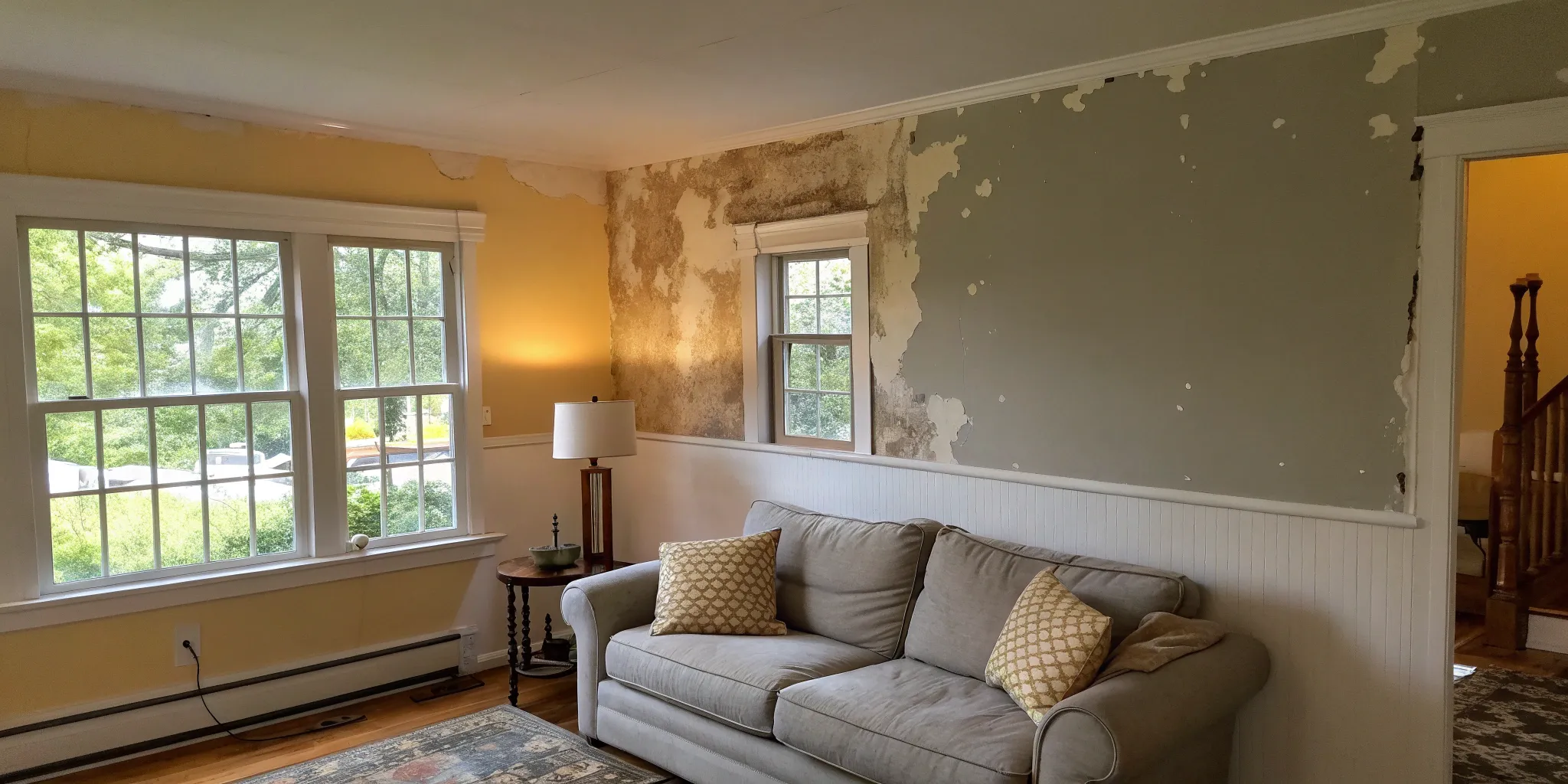
First things first: any issue that compromises the safety or structural integrity of your home needs to be addressed. We’re talking about the big stuff—a leaky roof, foundation cracks, faulty electrical wiring, or signs of mold. These aren't minor cosmetic flaws; they're serious problems that most buyers simply won't overlook. A home inspector will spot these issues from a mile away, and they can quickly turn a canceled contract into a reality. Investing in these repairs is essential for preparing your home for sale and protecting its value. It gives buyers the confidence they need to make a strong offer.
Major System Failures
Buyers expect a home’s core systems to be in good working order. A furnace that doesn’t heat, an air conditioner that doesn’t cool, or significant plumbing leaks are immediate red flags. You don't necessarily need to install brand-new systems, but you do need to ensure everything is functional and safe. Fix any plumbing issues or damaged floorboards that are clearly visible and affect how the house works. If your water heater is on its last legs or the electrical panel is outdated and hazardous, addressing it before listing is a wise move. These are the workhorses of a home, and buyers need to know they can rely on them from day one.
Deal-Breakers That Scare Buyers
Some problems send buyers running for the hills, even if they’ve been technically "fixed." Large, un-repaired water stains on the ceiling, evidence of a past pest infestation, or strong odors from pets or smoke can be major deal-breakers. These issues create doubt and make buyers wonder what other problems might be hiding beneath the surface. It’s crucial to fix the root cause and then repair the cosmetic damage. Taking care of these big problems that would stop someone from buying your house builds trust and demonstrates that your home has been well-cared for. If you're unsure what qualifies as a deal-breaker, get expert advice from our team.
Common Seller Myths About Pre-Sale Repairs
When you decide to sell your home, it’s easy to get caught up in a whirlwind of repair advice. But not all advice is created equal, and some common beliefs can lead you to spend time and money on projects that won’t pay off. Let’s clear up a few myths about pre-sale repairs so you can focus on what truly matters.
The Over-Improvement Trap
One of the biggest mistakes sellers make is falling into the over-improvement trap. The thinking goes, "If I spend $30,000 on a new kitchen, I'll get at least that much back in the sale price." Unfortunately, that’s rarely the case. Major renovations like full kitchen and bathroom remodels are costly and often don't provide a 100% return on your investment. The goal is to make your home appealing to buyers, not to build your dream home right before you move out. An experienced agent can help you understand which updates offer the best value when you're preparing to sell your home.
Your Taste vs. Buyer Appeal
You might absolutely love that bold accent wall or those custom-tiled floors, but your specific taste might not align with a potential buyer's. Making highly personalized upgrades can be a gamble. Many buyers prefer a neutral canvas where they can easily envision their own style. Instead of a partial, trendy update, it's often better to leave an older room as-is so the new owner can start fresh. A buyer would rather plan their own remodel than have to undo yours. Focusing on neutral paint colors and simple, clean aesthetics is almost always a safer bet.
Timing Your Repairs Wrong
Your selling timeline is a critical factor in deciding which repairs to tackle. If you need to sell quickly, embarking on a major renovation that could take months is simply not practical. You could miss out on a prime selling season waiting for contractors to finish. Instead, your strategy should match your schedule. For a faster sale, concentrate on quick, high-impact fixes that can be done in a weekend, like painting, updating light fixtures, or improving curb appeal. If you're unsure how to prioritize, it's best to get in touch with a real estate professional who can create a plan based on your home and goals.
Can't Afford Major Repairs? Try These Smart Alternatives
Facing a long list of potential repairs with a limited budget can feel overwhelming. The good news is you don’t have to drain your savings to get your house ready for the market. Instead of tackling expensive, time-consuming projects, you can use several clever strategies to attract buyers and secure a great offer. These alternatives are all about shifting the focus from what’s wrong with the house to what’s right with it.
By presenting your home in the best possible light and being strategic with your negotiations, you can make your property stand out without breaking the bank. It’s about working smarter, not harder, to achieve your selling goals. Think of it less as cutting corners and more as giving buyers the flexibility to create their own dream space, which can be a powerful selling point. This approach puts you in control, allowing you to move forward confidently without the financial strain of a major renovation.
Professional Staging and Deep Cleaning
Never underestimate the power of a sparkling clean home. Before you spend a dime on repairs, focus on deep cleaning and decluttering. This is one of the most effective and affordable ways to make your home appealing to buyers. A clean space feels larger, brighter, and better maintained, allowing potential buyers to see the home’s true potential instead of being distracted by your personal belongings. For an even greater impact, consider professional staging. A stager can rearrange your existing furniture or bring in new pieces to highlight your home’s best features and create an inviting atmosphere. It’s an investment that helps buyers emotionally connect with the space and visualize themselves living there, often leading to quicker, more competitive offers.
Strategic Price Adjustments
If your home needs significant work, one of the most straightforward approaches is to price it accordingly. Instead of guessing what renovations a buyer might want, you can sell your home at a price that reflects its current condition. This strategy often attracts buyers who are specifically looking for a property they can customize to their own tastes. Working with an experienced agent is key here. We can analyze the market and help you find a competitive price that accounts for any needed repairs. By being transparent and pricing your home fairly from the start, you can avoid lengthy negotiations and attract serious buyers who are ready to take on a project. It’s an honest approach that respects both your budget and the buyer’s vision.
Offering Seller Credits
What if your appliances are dated but still work perfectly? Instead of spending thousands on new ones, you can offer a seller credit. This is a set amount of money you give the buyer at closing to cover the cost of specific updates. For example, you could offer a credit for new kitchen appliances or to replace worn-out carpeting. This approach is a win-win. You save yourself the time, money, and hassle of managing the renovation yourself. Meanwhile, the buyer gets the freedom to choose the exact styles and finishes they want for their new home. It’s a flexible tool that can make your home more attractive and help seal the deal. If you want to explore how credits could work for your sale, our team is here to help you strategize.
Related Articles
7 Must-Do Home Fixes Before Selling Your House — Jim Shaffer And Associates
How To Prepare To Sell Your House — Jim Shaffer And Associates
Best Updates To Sell Your Home Quickly — Jim Shaffer And Associates
How To Sell Your Home For The Most Money — Jim Shaffer And Associates
Frequently Asked Questions
My kitchen is really dated. Do I really have to do a full remodel to sell my house? Not at all! In fact, a massive kitchen overhaul is one of the projects we almost always advise against. Your idea of a dream kitchen might be completely different from a buyer's, so you're unlikely to get your money back. Instead, focus on small, high-impact updates. A fresh coat of paint on the walls or cabinets, new hardware, and an updated light fixture can make the space feel clean, bright, and move-in ready without the huge expense.
How do I know which repairs are just cosmetic and which ones will be a problem during a home inspection? Think of it this way: cosmetic issues are things a buyer can easily change to suit their taste, like an outdated paint color or a scuff mark on the wall. Inspection issues are problems that affect the home's safety and function. These are the non-negotiables, such as a leaky roof, faulty wiring, or a furnace that doesn't work. Addressing these major systems builds trust and shows buyers the home has been well-maintained.
If I only have a small budget, what's the one area I should focus on before selling? If you're going to spend money anywhere, spend it on a professional deep cleaning and a fresh coat of neutral paint. These two things provide the most bang for your buck. A clean, freshly painted home feels brighter, bigger, and better cared for. It creates a fantastic first impression and allows buyers to see past minor imperfections and truly envision themselves living in the space.
How much should I really spend on curb appeal? Is a whole new garden necessary? You can create amazing curb appeal without calling a landscape architect. Buyers respond to a home that looks neat and cared for, not one with an elaborate, expensive garden. Focus your energy on the basics: mow the lawn, trim overgrown bushes, and lay down a fresh layer of dark mulch. Simple fixes like pressure washing the walkway and painting the front door also make a huge difference and show pride of ownership.
I can't afford to fix everything on the 'must-do' list. Does that mean I can't sell my house? Of course not. This is a very common situation, and you have great options. Instead of completing the repairs yourself, you can price the home to reflect its current condition. This often attracts buyers who are looking for a property they can customize. Another popular strategy is to offer a seller credit at closing, which gives the buyer funds to handle the updates themselves. It’s a flexible solution that can make your home more attractive and help you move forward.